
Why Kitchen Cabinets Suddenly Cost More in 2026
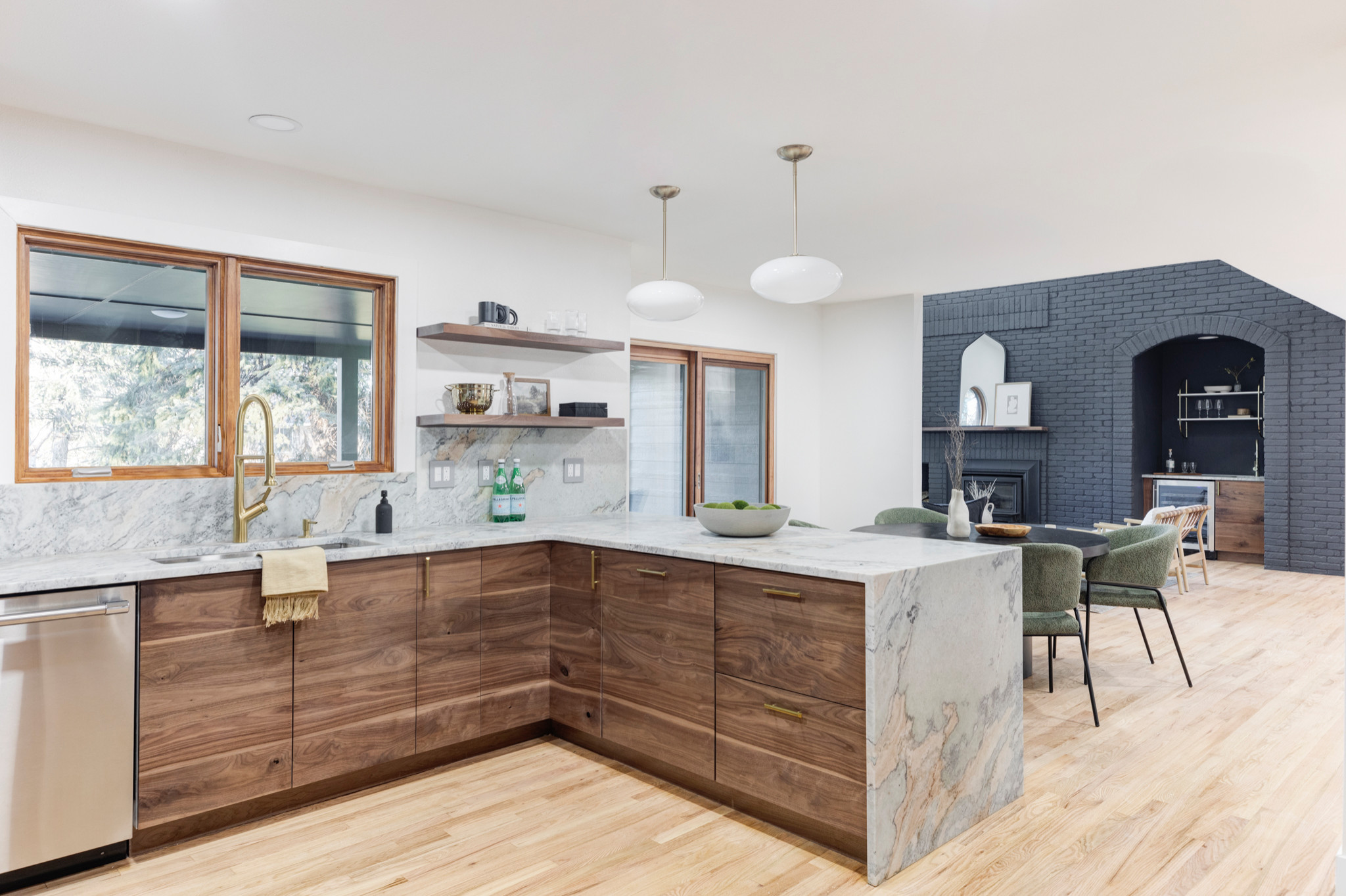
What Denver Homeowners Should Know Before Starting a Kitchen Remodel
If you’ve recently started planning a kitchen remodel in Denver, you may have noticed something surprising: kitchen cabinets cost significantly more today than they did just six months ago.
Many homeowners assume the price increase means cabinets are now made with better materials or higher craftsmanship. In most cases, however, the quality and construction methods remain largely the same.
What has changed is the economic and regulatory environment surrounding cabinet manufacturing and imports. Understanding these changes can help homeowners make better decisions when planning a kitchen renovation in Denver or the Colorado Front Range.
Why Cabinet Prices Increased So Quickly
Several factors have converged in the last year to affect cabinet pricing across the United States. These changes impact:
• cabinet manufacturers
• material suppliers
• distributors
• contractors
• homeowners planning renovations
The three most significant drivers are:
• new U.S. tariffs on imported cabinets
• global manufacturing shifts
• higher freight and logistics costs
Together, these factors have created noticeable price increases across the entire remodeling industry.
New U.S. Tariffs on Imported Kitchen Cabinets
One of the most significant drivers behind the price increase is new tariffs affecting imported wood cabinetry products, including kitchen cabinets and bathroom vanities.
A large portion of cabinets sold in the United States are manufactured overseas and imported through national distribution networks. When tariffs are introduced or increased, the cost impacts the entire supply chain, eventually reaching contractors and homeowners.
In 2025, the U.S. government implemented new tariffs on imported cabinetry and related wood products.
These tariffs took effect on: October 14, 2025. The initial tariff rate was approximately 25% on imported cabinets and bathroom vanities, with potential adjustments planned in future phases. These trade policies are part of broader federal efforts to regulate international imports of wood products and support domestic manufacturing.
Where the Official Regulations Can Be Found
Homeowners and industry professionals who want to review the official regulatory framework can find documentation through several federal resources.
Relevant agencies include:
U.S. International Trade Commission (USITC)https://www.usitc.gov
Harmonized Tariff Schedule of the United States (HTSUS) https://hts.usitc.gov
U.S. Department of Commerce – International Trade Administrationhttps://www.trade.gov
Federal Register – Official Government Rulemaking Publications
https://www.federalregister.gov
These databases publish official tariff classifications and trade rulings affecting imported cabinetry and wood products.
Global Cabinet Manufacturing Has Shifted
Over the past decade, cabinet manufacturing has moved across several regions of the world due to trade policy changes and supply chain adjustments.
Previously, a significant portion of cabinets sold in the United States were manufactured in China. After earlier tariffs were introduced in 2018, many manufacturers relocated production to other countries such as:
• Vietnam
• Malaysia
• Thailand
• Indonesia
While these regions initially helped stabilize pricing, recent trade changes and increased global demand have also affected production costs in these countries.
As a result, cabinet price increases are being seen across the entire industry, not just from a single supplier or brand.
Even “American-Made” Cabinets Are Affected
Many homeowners assume cabinets assembled in the United States are insulated from international price fluctuations. In reality, most cabinetry products — even those assembled domestically — rely on imported components such as:
• hinges
• drawer slides
• cabinet hardware
• engineered wood panels
• specialty veneers
Because these components are sourced globally, pricing changes can affect both imported cabinets and those assembled in the United States.
Freight and Distribution Costs Have Also Increased
Cabinets are large, heavy products that require a complex logistics network to move from factory to warehouse and ultimately to the home.
This process typically includes:
• international container shipping
• customs processing
• regional distribution centers
• freight delivery to job sites
Changes in global shipping rates and distribution systems have added additional pressure to cabinet pricing across North America. What This Means for Your Kitchen Remodel
If you’re planning a kitchen renovation in Denver, it’s important to understand that cabinet price increases are not primarily tied to design upgrades or new construction techniques.
In most cases:
• cabinet construction methods remain similar
• material quality has not dramatically changed
• pricing reflects the new financial reality of global manufacturing and trade policies
For homeowners planning a remodel, understanding these economic factors helps set realistic expectations when budgeting for cabinetry.
About Lincoln Asset Management
Lincoln Asset Management is a Denver-based design-build remodeling firm serving homeowners across the Colorado Front Range.
Our team specializes in:
• kitchen remodeling
• bathroom renovations
• structural home improvements
• full home remodels
• design-forward construction solutions
We combine thoughtful design, structural expertise, and disciplined project management to deliver renovations that are built correctly the first time.
Transparency with homeowners is a core part of how we approach every project.
Planning a Kitchen Remodel in Denver?
If you’re considering a kitchen remodel in Denver and want guidance on cabinet options, layout design, and realistic project pricing, working with an experienced remodeling team can help you navigate today’s market conditions.
Understanding how materials are sourced and priced can make a significant difference when planning your renovation.
Thoughtful planning and clear communication are the foundation of a successful kitchen remodel.